Lifestyle Changes to Treat Sleep Apnea
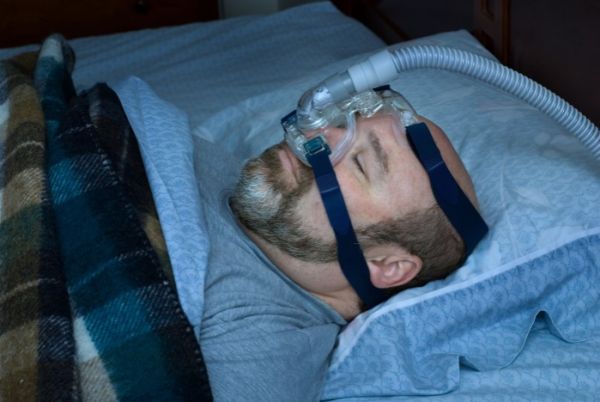
If you have sleep apnea, then you have episodes where you stop breathing throughout the night. One of the most common treatments is a Continuous Positive Airway Pressure (CPAP) machine. However, if you do not want a CPAP machine, there are several lifestyle changes that can help. Read on to learn more.
Losing weight
People who are overweight are more likely to suffer from sleep apnea. Being overweight can lead to excess tissue in the neck area, which is where the airway is. When an individual has too much tissue, it can partially or fully cover the airway during sleep. The excess tissue may also place pressure on the tongue and cause it to fall back. The individual does not have as much control over this during the night.
Quitting smoking
Smoking negatively affects the lungs and breathing habits. The smoke can irritate the tissues in the airway. When the tissues become irritated, they can begin to swell, which can block the airway. Because the airway is disrupted, it can become congested. As it vibrates, individuals will snore. Even people who previously smoked are likely to have sleep apnea.
There are many studies that link snoring, smoking and sleep apnea. One study showed that people who smoke are over twice as likely to snore than those who never smoked. Another study looked at current, past and never smokers. The study showed that one in four current or past smokers snored. But only one in seven people who never smoked snored. While snoring can be a symptom of sleep apnea, it is not always.
Avoiding drinking
Alcohol can relax an individual, so it makes sense that it can also relax the muscles in the airway. This can cause sleep apnea. However, for individuals who have mild sleep apnea, alcohol can worsen it. Several studies have shown that alcohol can lengthen the amount of time that a sleep apnea episode lasts. It allows more time to pass between the time an individual stops breathing and when the patient wakes up.
Changing positions
Sometimes, the simplest solution can work. Sleeping on the back is not a good idea for those with sleep apnea. This allows the jaw to fall back over the airway. Other tissues near the airway also become crowded when individuals sleep on their backs.
Instead, sleeping on the side is a better option. This does not cause airway blockage. It can also provide better blood flow. This is why sleeping on the left side is slightly better than sleeping on the right.
Visit a doctor for sleep apnea treatment
Sleep apnea is a serious condition. If left untreated, it can cause many health problems. If you suspect that you may have sleep apnea, it is a good idea to make the lifestyle changes above. However, it is also important to visit a doctor. Getting a sleep study can help a doctor determine if you have sleep apnea. A dentist can provide you with an oral appliance to help.
Request an appointment here: https://www.drjstearns.com or call Platte Valley Oral Surgery at (303) 997-0220 for an appointment in our Denver office.
Check out what others are saying about our services on Yelp: Read our Yelp reviews.
Recent Posts
TMJ disorders cause chronic pain and discomfort. Fortunately, an oral surgeon may perform maxillofacial surgery to treat these disorders, relieving pain and restoring mobility to the jaw. These procedures can also enhance the jaw's appearance. Find lasting comfort and improved jaw function with the help of maxillofacial surgery from an oral surgeon.These jaw disorders are…
Corrective jaw surgery is often recommended by dentists and oral surgeons to address functional problems, such as difficulty breathing or chewing, and chronic discomfort caused by a misaligned jaw or bruxism. This review discusses several important questions to ask your oral surgeon during a corrective jaw surgery consultation.Corrective jaw surgery has helped many patients feel…
Cleft lip treatment can occur early in life and set the child up for normal mouth function, including eating, speaking, and expression. A cleft lip is a condition in which an infant’s lip does not seamlessly connect; instead, a gap is present, often leading toward the nose. This congenital disability is one of the most…
A sinus lift or sinus augmentation can build up your upper jaw. This procedure is invasive. The dentist will take healthy bone and place it in the section of the maxilla that needs it. Here are the sinus lift benefits that you must consider.Studies show that a thinning upper jawbone can result in the weakening…